

AI-POWERED EMOTIONAL INTELLIGENCE FOR PEOPLE AND AI
Have You Already Hidden Emotions Today?

Emotions Recognition & Deception detection.
Familiar Video conference interface
AI based
Accessible from anywhere
Trained on modern scientific works
Multimodal ML model
Own datasets

AI.. Real Emotions, Real-Time.
Micro-expressions
Macro-expressions
Head position
Body position
General facial expression
Blinking 
Gestures

Trained.
Trained on 350 open datasets and 550 proprietary ones.
Today we are detecting 6 basic emotions and attempts to hide information with a probability higher than 57%
And we are increasing this figure by 0.07% every day
50%
Of emotional signals go unnoticed in digital calls. 100% in communication with AI, IoT and robots.
Not with us.
84%
Of people admit to hiding emotions.
We show you when — and why.
1/25s
That’s all it takes for a micro-expression to reveal what people are really feeling.
TrueCall catches it.
90%
Of viewers smiled at 2:13?
TrueCall timestamps that moment so you can replicate it.
Emotions Recognition Solution
We teach AI to recognize human emotion – bringing emotional understanding to business processes, AI agents, connected devices, and robots.
TrueCall shows you what people really feel – not what they say.
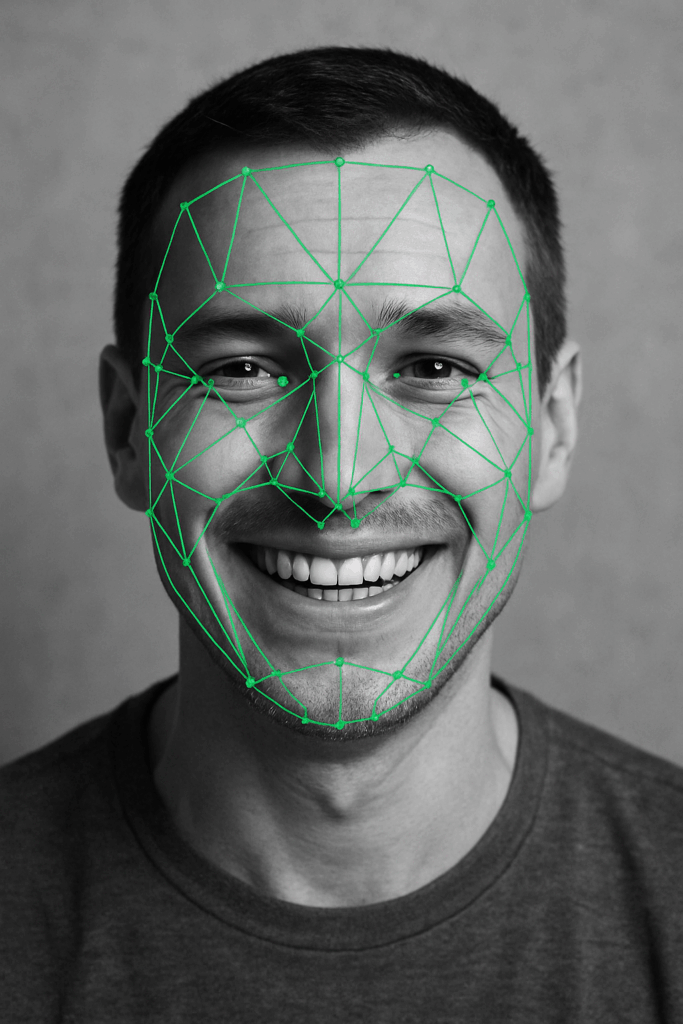
Our neural network analyzes facial expressions, eye activity, head movement, and other behavioral signals in real-time. AI-powered TrueCall maps emotional responses over time and highlights patterns that may indicate a masked reaction.
For businesses, that means seeing where an ad creates interest, a film builds tension, or a customer experience leaves people frustrated. These insights inform creative decisions, consumer research, and business processes.
The same emotional feedback is the foundation of our R&D in AI interaction, IoT, and robotics: helping systems learn when to change their tone, adjust their behavior, or give a person more space.
Human emotion becomes part of the feedback loop.

Deception Insights
People and business cases resort to deception for various complex reasons, including avoiding conflict, gaining advantage, preserving self-esteem, and protecting others’ feelings. TrueCall uncovers these motives.

Revolutionary Detection
Unlike conventional methods like human profilers and polygraphs with low accuracy and subjectivity, TrueCall’s inline conference deception detection offers real-time AI-based analysis, devoid of physical contact and stress.

Unmatched Precision
TrueCall employs AI for real-time analysis, capturing micro-expressions, macro-expressions, head positions, blinking, and gestures. Trained on extensive datasets, our technology detects deception with a probability over 57% and continually improves.

Global Reach
The global emotion detection and recognition market is projected to grow from $48.7B in 2026 to $141.9B by 2034.
Does visiting a store make customers happier? We explored this in our paid pilot.
Which ad sparks interest? Where does engagement drop? Which creative triggers the intended response?
And when will your AI understand that you’re happy?

Seamless Integration
TrueCall integrates into familiar video conferencing workflows, making real-time emotional insights accessible wherever conversations happen. Developed with behavioral experts and grounded in affective computing research, it brings emotional analysis into business processes.
We plan to make the same capability easy to integrate into any AI system that captures or processes video – from digital assistants to connected devices and robots.

Innovative Technology
TrueCall’s multimodal neural network is trained on 350 open datasets and 550 proprietary datasets. It analyzes facial expressions, eye activity, head position, and gestures to recognize emotional patterns and potential signs of masking.
We are already conducting R&D in IoT and robotics to help LLM-based agents, connected devices, and future robots adapt their responses to human emotion.
From recognizing emotion to responding with understanding.
TrueCall Showcase
Emotions Recognition & DECEPTION DETECTION IN ACTION


TrueCall Use Cases
Where TrueCall Changes the Game
Built with behavioral experts, powered by real data TrueCall hits 80%+ emotional accuracy and keeps learning.
It also detects 67% of attempts to hide emotions or information, and soon, you’ll track engagement, stress, and
get real-time suggestions mid-call.
While others guess, you get live, science-backed insights that actually move the needle.
01
Insurance Call Centers & Fraud Units
Voice + face-based unhiding information and detecting attempts to hide emotions scoring flags high-risk calls in real-time.
02
Marketing Agencies & Consumer Research Firms
Run emotion+truth tests on video calls, spot fake praise, segment reactions by sincerity.
03
HR & Talent Acquisition Firms
Flags signs of anxiety, dishonesty in interviews, supports better questioning.
04
Mental Health Clinics
Spots unspoken emotional shifts in real-time sessions.
05
Film/TV Production Studios
TrueCall captures real emotional shifts and inconsistencies in live test screenings (even remote ones).
Name Your Sector,
We’ll Break It Open
Tell us where you want to win — and we’ll show you how TrueCall unlocks the edge you need to dominate your market.
About
BUILDING EMOTIONAL UNDERSTANDING
with AI-POWERED EMOTIONAL INTELLIGENCE
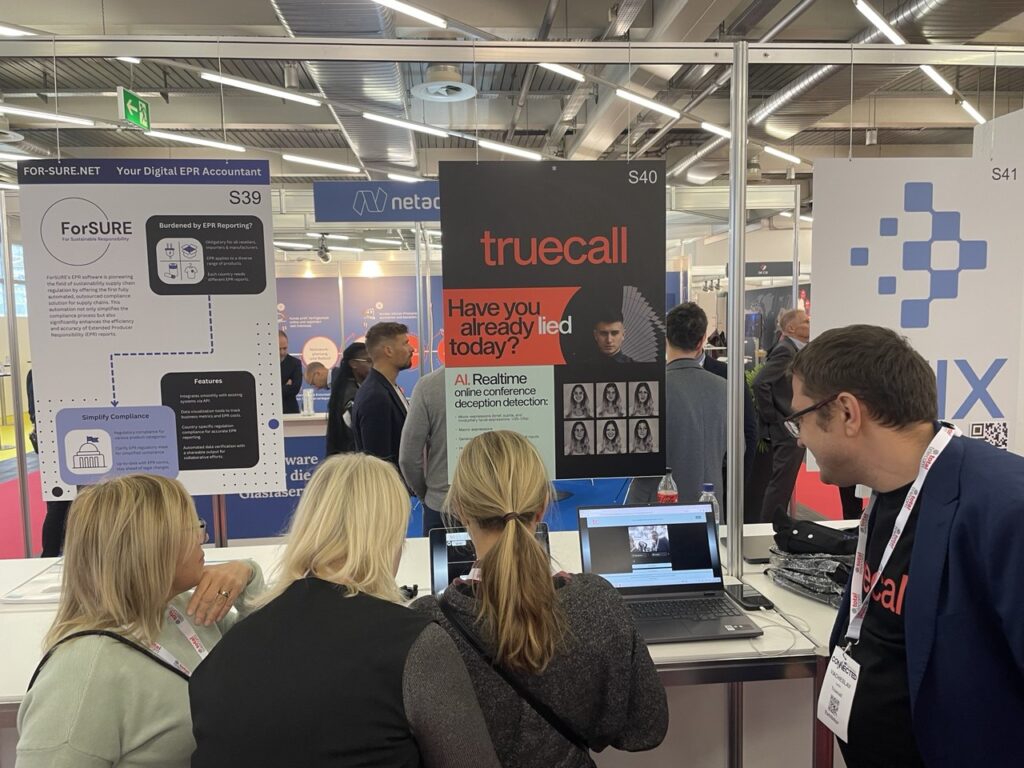
Team Work
Committed and creative

Philosophy
Trust pays off

Office
Somewhere on earth
Who We Are
We develop neural networks that recognize human emotional signals in real time. Today, TrueCall helps businesses understand how people respond to advertising, shopping experiences, films, and conversations.
Tomorrow, we want your AI companion to understand when you’re joking and when you’re actually upset. To respond with the right tone, timing, and care.
Our Vision
We envision a future where emotional and behavioral signals could help reveal possible intent before a person speaks. People, supported by AI assistants, and the technologies around them could use that context to respond earlier and more appropriately.
Our ambition is to reduce misunderstandings, recognize emerging risks sooner, and help make everyday interactions safer. Across business, digital communication, and life alongside intelligent machines.
Our Mission
To bring emotional understanding into the systems that shape our lives.
❞
Three Cheers to Slava Yurkin, CCSSA’s project – TrueCall.
🏆🏆🏆 The startup pulled off a hat-trick at the June edition of soonami Venturethon, winning “On the Fast Track,” “Best Live Demo,” and “Best Code” tracks. This triple crown victory will unlock exciting prospects for the project – all the best to their journey!

❞
🏆 On The Fast Track ($1k each): TrueCall & NetSepio
True Call – {An AI-driven tool for real-time deception detection in video conferences, analyzing micro-expressions and emotions.}
🏆 Additional Prizes:
🥇 Best Live Demo ($300): TrueCall
🥇 Best Code ($300): TrueCall
❞
Next achievements soon…

Testimonials.
FEEDBACK FROUM OUR ALPHA TESTERS

Using this inline video conference deception detection was a game-changer! It’s amazing how AI can analyze micro-expressions and gestures in real-time. The accuracy in identifying true emotions is impressive. It made our meetings more insightful, enhancing communication and understanding among team members.

Ethan Reynolds
Designer
I was initially hesitant about the idea of detecting deception during video conferences, but after trying it out, I’m impressed. The technology’s ability to read micro-expressions and general facial expressions is both fascinating and a bit scary! It definitely adds a new dimension to online interactions. It’s a fantastic tool for fostering transparency and honesty in virtual meetings.

Alice Parker
Marketing
The inline deception detection is a fantastic addition to our video conferences. Being able to detect emotions and potential deception through micro-expressions, gestures, and head positions is like having a truth-o-meter in meetings. Although it’s a bit unnerving knowing lies could be detected, it encourages authenticity and accountability, creating a more trustworthy environment.

Sophia Nguyen
Consultant
This Truecall is a revolutionary tool! Its capability to analyze blinking patterns, macro-expressions, and general facial cues in real-time is mind-blowing. While the accuracy might not be 100%, it certainly adds a layer of insight during our virtual collaborations. I must admit, though, the thought of being caught in a lie is a bit intimidating. Nonetheless, it encourages more genuine and honest communication among participants.

Lucas Bennett
Programmer
